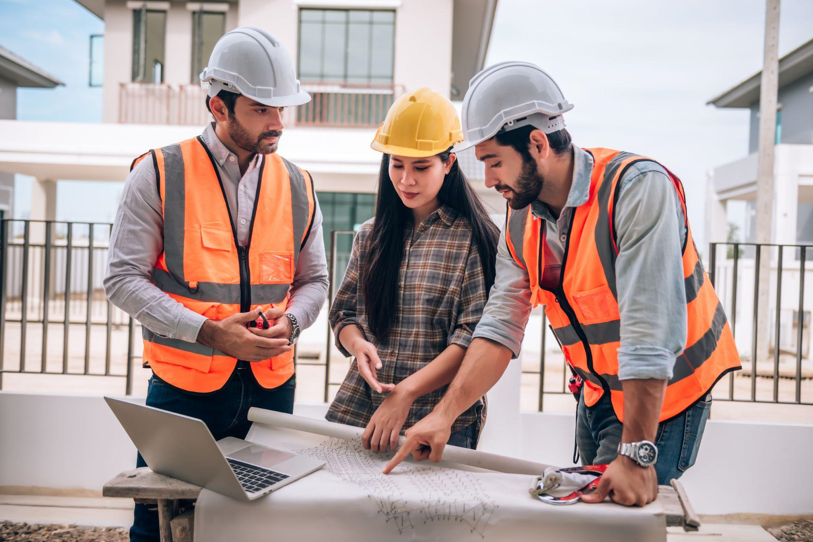
Anyone who’s sat through a strained meeting between an architect and a contractor, each blaming the other for a design that doesn’t match the budget, understands why design build construction has grown so popular for industrial projects. The traditional model of hiring a designer and a builder separately creates a natural tension between two parties who aren’t actually on the same team, and that tension tends to show up exactly where a facility owner can least afford it.
The Traditional Model Sets Up a Built-In Conflict
In a conventional design-bid-build project, an architect designs the facility, then a separate contractor bids on building it. On paper this sounds reasonable, competition should keep costs honest, and specialization should mean each party focuses on what they do best. In practice, this structure creates a gap between design intent and construction reality that someone always ends up paying for.
Architects design based on their own priorities, which don’t always account for construction feasibility, material availability, or realistic costs. Contractors then bid on that design without necessarily catching every issue during the bidding process, and problems surface once construction actually starts. At that point, resolving a conflict between what was designed and what’s realistic to build usually means change orders, delays, and disputes over who’s responsible for the added cost.
This dynamic gets worse for industrial facilities specifically, where structural requirements, equipment placement, and specialized systems like automation or heavy racking need to be integrated correctly from the start. A design that looks fine architecturally can create real problems if it wasn’t developed with construction and operational realities built in from day one.
Design-Build Puts Everyone on the Same Side of the Table
Design-build changes this dynamic by putting the design and construction teams under one contract, working toward the same outcome rather than negotiating across a divide. Instead of a contractor discovering problems with an already-finalized design, the construction team is involved from the earliest planning stages, flagging feasibility issues while the design is still flexible enough to adjust cheaply.
This matters enormously for cost control. A change made during early design costs very little compared to the same change made once construction has already started, and design-build structures naturally catch more of these issues early because the people who will actually build the facility are part of the conversation from day one, not brought in after the drawings are locked.
Working with a provider offering industrial construction solutions that specifically integrate design and construction removes a layer of finger-pointing that plagues traditional projects. When one team is accountable for both the design and the build, there’s no ambiguity about who’s responsible when something needs to be adjusted, which tends to lead to faster problem-solving instead of prolonged disputes about fault.
Faster Timelines Come From Overlapping Phases, Not Rushing
A common misconception is that design-build projects move faster because corners get cut somewhere. The real reason is structural. In a traditional model, design has to be fully complete before construction bidding even starts, creating a strictly sequential process. Design-build allows construction to begin on early phases of a project while later design details are still being finalized, since the same team controls both processes and can coordinate the overlap safely.
This is particularly valuable for industrial facilities where site work, foundations, and structural elements can move forward while equipment specifications or interior layout details are still being refined. That overlap shortens overall project timelines meaningfully, without requiring anyone to skip steps or make rushed decisions under pressure.
This approach also helps with material procurement. Long-lead items like structural steel or specialized equipment can be ordered earlier in the process, once enough of the design is locked in, rather than waiting for complete architectural drawings before any procurement decisions can be made.
Permitting can move faster under this structure too. Since the same team controls design development and understands local code requirements from experience building similar projects, permit applications tend to be more complete and accurate the first time around, avoiding the back-and-forth review cycles that can add weeks to a traditional project’s timeline.
Budget Certainty Improves When One Team Owns Both Sides
Facility owners often assume design-build costs more because it consolidates services under one provider. In practice, the opposite tends to be true over the life of a project. Traditional projects frequently see costs increase through change orders that result from design and construction misalignment, and those change orders can add up to a significant percentage of the original budget by the time a project finishes.
Design-build reduces this risk because cost estimating happens alongside design development, rather than after a design is finalized and then handed off for construction bidding. This means budget realities influence design decisions early, instead of forcing a redesign later when a contractor discovers the original plan exceeds what’s actually feasible within budget.
This doesn’t mean design-build projects never experience budget adjustments. Unexpected site conditions and legitimate scope changes still happen. But the significant, preventable cost overruns caused purely by miscommunication between separate design and construction teams are far less common in a properly run design-build arrangement.
See also: Thomas Berkley Entrepreneur: Building Scalable Businesses Through Client Success Systems
Where Design-Build Makes the Most Sense
Design-build isn’t automatically the right choice for every project, and it’s worth being honest about that rather than presenting it as a universal solution. Projects with highly unique architectural requirements, where a facility owner wants maximum control over design decisions independent of construction input, sometimes benefit from the separation that traditional models provide.
For most industrial and warehouse facilities, though, where function and operational efficiency matter more than architectural distinctiveness, design-build tends to produce better outcomes. These projects benefit enormously from having construction expertise involved early, since decisions about racking placement, dock configuration, structural loading, and utility routing all affect how well the facility actually performs once it’s operational.
The size and complexity of a project also factors into this decision. Smaller, straightforward buildouts might not see enough benefit from design-build to justify choosing it over a familiar traditional relationship with a trusted architect. Larger or more technically complex industrial projects, particularly those involving automation, specialized racking, or significant structural requirements, tend to see the biggest advantage from having one accountable team managing both sides of the process.
If you’re planning an industrial construction project and want to understand whether a design-build approach would genuinely reduce coordination headaches for your specific situation, it helps to talk through the details before choosing a project delivery method. Let’s Connect early in your planning process, since the delivery method you choose at the start shapes how smoothly the entire project unfolds from there.
Fewer Handoffs Means Fewer Places for Things to Go Wrong
Coordination challenges in construction usually happen at the handoff points between separate parties who each have their own priorities and incentives. Design-build reduces the number of these handoffs by putting design and construction under one accountable team, which tends to produce fewer disputes, tighter budgets, and timelines that reflect real construction sequencing rather than an idealized, disconnected schedule.
MTLI has delivered industrial projects through both design-build and traditional models, and the pattern holds true consistently: projects with fewer handoffs between separate parties experience fewer surprises and stay closer to their original budget and timeline. If you’re planning a project and want to explore whether design-build makes sense for your facility, contact us today and we can talk through the right approach for your situation.
