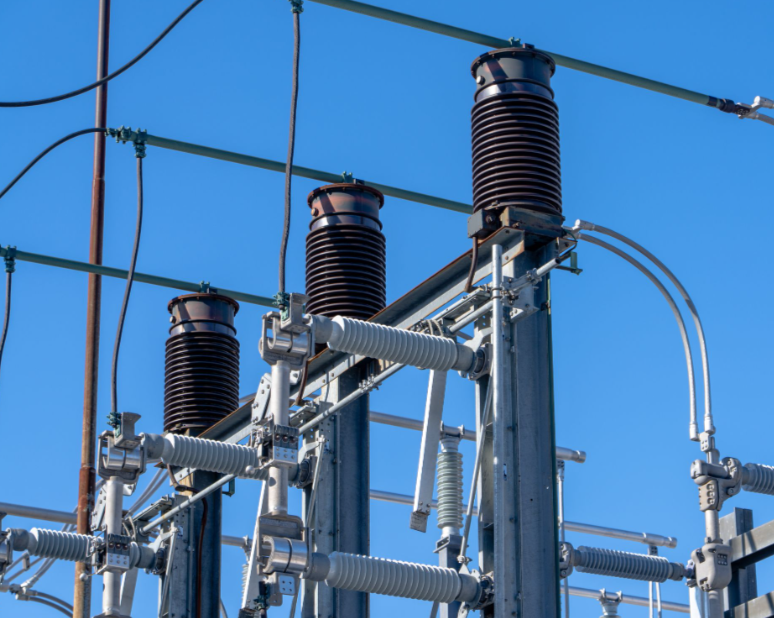
A zig zag grounding transformer is a specialized transformer used to create a neutral grounding point in three-phase electrical systems where a neutral connection is not available. Unlike conventional power transformers that transfer electrical energy between circuits, a zig zag grounding transformer is primarily designed to provide system grounding, limit fault currents, and improve the overall safety and reliability of electrical distribution networks.
These transformers are widely used in industrial plants, utility substations, renewable energy projects, data centers, and commercial facilities. By establishing a stable neutral point, a zig zag grounding transformer helps protect electrical equipment from transient overvoltages, reduces the risk of equipment damage during ground faults, and ensures compliance with electrical safety standards. This guide explains everything you need to know about zig zag grounding transformers, including their working principle, specifications, components, applications, installation, maintenance, and benefits.
What Is a Zig Zag Grounding Transformer?
Before exploring its specifications, it is important to understand the purpose of a zig zag grounding transformer and how it differs from a conventional transformer. Its primary function is not voltage transformation but system grounding and fault current management.
A zig zag grounding transformer is a specially wound three-phase transformer with interconnected windings arranged in a zig zag configuration. This unique winding design creates an artificial neutral point that can be connected to the ground, allowing safe operation of three-phase systems that do not naturally have a neutral conductor.
Because of its winding arrangement, the transformer carries very little current during normal operating conditions. However, during a ground fault, it provides a low-impedance path for fault current, enabling protective devices to detect and isolate the fault quickly.
Why Is a Zig Zag Grounding Transformer Important?
Electrical systems without a properly grounded neutral can experience unstable voltages and increased risks during ground faults. A zig zag grounding transformer provides a practical solution by improving system protection and operational stability.
Creates a Neutral Grounding Point
Many three-phase systems operate without a neutral conductor. A zig zag grounding transformer creates an artificial neutral point that allows the system to be effectively grounded, improving both safety and system performance.
Improves Electrical Safety
Grounding the electrical system reduces the risk of dangerous touch voltages and electrical shock. It also helps protect maintenance personnel and connected equipment during abnormal operating conditions.
Supports Fault Detection
During a ground fault, the transformer provides a controlled path for fault current. This allows protective relays and circuit breakers to detect the fault quickly and disconnect the affected circuit before significant damage occurs.
Protects Electrical Equipment
By limiting transient overvoltages and stabilizing system voltages, a zig zag grounding transformer helps protect transformers, motors, generators, switchgear, and other valuable electrical equipment.
Working Principle of a Zig Zag Grounding Transformer
Understanding how a zig zag grounding transformer operates helps explain why it is widely used in medium-voltage and industrial power systems. Its unique winding configuration enables it to provide grounding without affecting normal power flow.
Unique Zig Zag Winding Design
Each phase winding is divided into two equal sections and connected to different transformer limbs in a zig zag arrangement. This configuration causes the magnetic flux generated during balanced operation to cancel out, allowing the transformer to carry almost no load current during normal conditions.
Neutral Point Formation
The winding connections create a stable neutral point that can be connected directly to the grounding system or through a neutral grounding resistor, depending on the application.
Ground Fault Current Path
When a single-line-to-ground fault occurs, the transformer provides a low-impedance return path for the fault current. This controlled current enables protective devices to operate correctly and isolate the faulted section of the electrical system.
Voltage Stabilization
The transformer also helps stabilize phase-to-ground voltages during unbalanced operating conditions, reducing stress on insulation systems and improving overall power quality.
Typical Zig Zag Grounding Transformer Specifications
The exact specifications vary depending on the electrical system and customer requirements. However, most zig zag grounding transformers include several common technical characteristics.
Voltage Rating
Zig zag grounding transformers are available for a wide range of voltage levels, including 3.3 kV, 6.6 kV, 11 kV, 22 kV, and 33 kV. Higher voltage ratings can also be manufactured for utility and industrial applications.
Current Rating
The transformer is rated according to the amount of ground fault current it must safely carry. Common fault current ratings range from a few hundred amperes to several thousand amperes depending on system requirements.
Frequency
Most transformers are designed for operation at 50 Hz or 60 Hz, ensuring compatibility with regional electrical power systems.
Insulation Class
High-quality insulation systems provide reliable electrical separation between windings and help the transformer operate safely under demanding conditions. The insulation class is selected according to the operating voltage and environmental conditions.
Cooling Method
Most zig zag grounding transformers are available in oil-immersed or dry-type construction. The cooling method depends on the installation location, load requirements, and environmental considerations.
Construction Features
The performance and durability of a grounding transformer depend largely on its construction quality. Manufacturers use robust materials and precision engineering to ensure long-term reliability.
High-Quality Magnetic Core
The transformer core is typically manufactured from cold-rolled grain-oriented (CRGO) silicon steel laminations. This material minimizes core losses while improving energy efficiency and reducing operating noise.
Copper or Aluminum Windings
The windings are manufactured using high-conductivity copper or aluminum conductors. Copper windings are generally preferred because they provide superior electrical conductivity, better thermal performance, and increased mechanical strength.
Heavy-Duty Enclosure
Oil-filled transformers are housed in welded steel tanks designed to protect internal components from moisture, dust, corrosion, and harsh environmental conditions. Dry-type transformers use durable ventilated enclosures suitable for indoor installations.
Reliable Insulation System
A high-performance insulation system ensures safe operation during normal conditions and temporary fault events. Proper insulation extends transformer lifespan while improving electrical reliability.
Applications of Zig Zag Grounding Transformers
Zig zag grounding transformers are used in many industries because they provide an effective grounding solution for systems without a natural neutral point. Their versatility makes them suitable for a wide variety of electrical installations.
Industrial Manufacturing Plants
Large industrial facilities often use ungrounded or delta-connected electrical systems. Zig zag grounding transformers provide the required neutral grounding to improve equipment protection and system safety.
Utility Substations
Electrical utilities install grounding transformers to establish neutral grounding in medium-voltage distribution networks. This improves fault detection and enhances overall grid reliability.
Renewable Energy Projects
Solar farms and wind power plants frequently use zig zag grounding transformers to stabilize electrical systems and provide effective grounding for inverter-based generation equipment.
Data Centers
Reliable grounding is essential for protecting sensitive servers and communication equipment. Zig zag grounding transformers help maintain stable system voltages while improving power quality.
Mining and Oil & Gas Facilities
Mining operations and energy production facilities often operate isolated electrical systems in harsh environments. Grounding transformers improve operational safety and reduce the risk of equipment damage during fault conditions.
Installation Requirements
Proper installation is essential for ensuring safe and reliable transformer operation. Every installation should follow engineering recommendations and applicable electrical standards.
Prepare a Stable Foundation
The transformer should be installed on a level, structurally sound foundation capable of supporting its weight throughout its service life.
Ensure Proper Grounding Connections
The transformer neutral must be connected to the facility’s grounding system according to the approved electrical design. Proper grounding is critical for effective fault protection.
Provide Adequate Ventilation
Oil-filled and dry-type transformers both require sufficient airflow to dissipate heat efficiently. Adequate ventilation helps maintain safe operating temperatures and improves transformer longevity.
Perform Electrical Testing
Before energizing the transformer, insulation resistance, grounding continuity, and winding tests should be completed to verify proper installation and operational readiness.
Maintenance Tips
Routine maintenance helps maximize transformer reliability while reducing the likelihood of unexpected failures. Preventive maintenance also extends equipment lifespan and improves system safety.
Inspect the Transformer Regularly
Visual inspections should include checking for oil leaks, corrosion, loose hardware, damaged bushings, and signs of overheating. Early detection helps prevent more serious equipment issues.
Test the Grounding System
The grounding connection should be tested periodically to verify low-resistance grounding performance. Reliable grounding is essential for effective fault protection.
Monitor Insulation Condition
Routine insulation testing helps identify moisture contamination, insulation aging, or electrical deterioration before they affect transformer performance.
Clean External Components
Keeping cooling surfaces, ventilation openings, and bushings free from dust and debris improves cooling efficiency and supports reliable operation.
Advantages of Using a Zig Zag Grounding Transformer
A zig zag grounding transformer provides numerous operational and safety benefits for modern electrical systems. These advantages make it one of the most widely used grounding solutions in industrial and utility applications.
Enhances System Protection
The transformer provides a controlled path for ground fault current, allowing protective devices to respond quickly and minimize equipment damage.
Improves Voltage Stability
By creating a stable neutral reference, the transformer helps maintain balanced phase-to-ground voltages and reduces the effects of electrical disturbances.
Increases Equipment Reliability
Proper grounding reduces electrical stress on transformers, motors, generators, and switchgear, helping extend equipment lifespan and reduce maintenance costs.
Supports Compliance with Safety Standards
Many electrical codes and industry standards require effective system grounding. Zig zag grounding transformers help facilities comply with these requirements while improving operational safety.
Factors to Consider When Selecting a Zig Zag Grounding Transformer
Choosing the correct transformer requires careful evaluation of several technical and operational factors. Proper selection ensures long-term reliability and compatibility with the electrical system.
Understand System Voltage
The transformer voltage rating must match the electrical distribution system to ensure safe and effective grounding performance.
Determine Fault Current Requirements
The transformer should be rated to safely withstand the expected ground fault current for the required duration without sustaining damage.
Select the Appropriate Cooling Method
Oil-filled transformers are commonly used outdoors, while dry-type transformers are often preferred for indoor installations where fire safety is a concern.
Verify Compliance with Industry Standards
A quality grounding transformer should comply with recognized standards such as IEC, IEEE, ANSI, or local utility specifications. Compliance ensures dependable performance and regulatory acceptance.
Conclusion
A zig zag grounding transformer is an essential component for grounding three-phase electrical systems that do not have a natural neutral connection. Its unique winding configuration creates a stable neutral point, improves fault detection, limits transient overvoltages, and enhances the overall safety and reliability of electrical distribution systems.
Whether used in industrial facilities, utility substations, renewable energy projects, mining operations, or commercial installations, a high-quality zig zag grounding transformer provides dependable grounding performance while protecting valuable electrical equipment. By understanding its specifications, construction, applications, installation requirements, and maintenance practices, engineers and facility managers can select the right transformer to ensure long-term operational efficiency, improved safety, and reliable power system performance.
