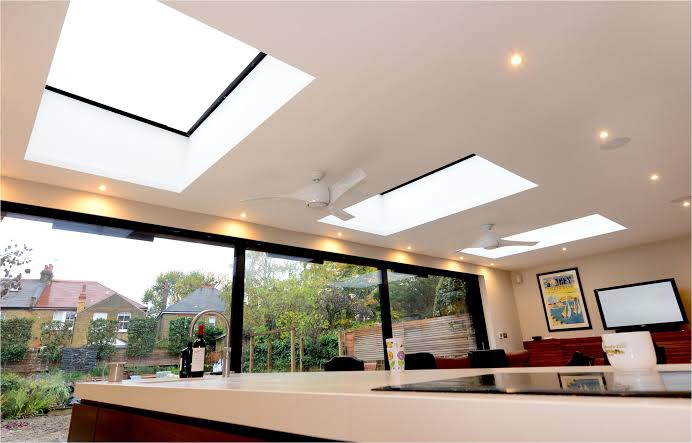
Natural light plays an important role in creating comfortable, energy-efficient, and visually appealing indoor spaces. For properties with flat roofs, traditional windows may not always provide enough daylight, making flat opening roof lights an excellent solution. These innovative roof systems allow homeowners and commercial property owners to introduce more sunlight into interior spaces while also improving ventilation and accessibility.
Unlike fixed roof lights, opening roof lights can be opened to allow fresh air circulation, helping regulate indoor temperatures and improve air quality. They are commonly used in kitchens, living areas, extensions, offices, and commercial buildings where additional daylight and ventilation are required.
With modern designs, improved insulation, and advanced operating systems, flat opening roof lights offer both practical and aesthetic benefits. This guide explores their advantages, features, installation considerations, and how they can transform your property.
What Are Flat Opening Roof Lights?
Flat opening roof lights are glazed roof installations designed specifically for flat or low-pitched roofs. Unlike traditional skylights that remain permanently closed, these roof lights include an opening mechanism that allows the glazed panel to lift or slide open.
They are designed to provide two major benefits: natural daylight and ventilation. By allowing fresh air into a room, opening roof lights help reduce stuffiness and improve indoor comfort, especially in areas such as kitchens and bathrooms where humidity levels can increase.
Modern flat opening roof lights are available with manual, electric, and automated opening systems. Some models can be controlled remotely or connected to smart home systems, allowing users to adjust ventilation easily.
Why Choose Flat Opening Roof Lights?
Flat opening roof lights offer several advantages that make them a popular choice for modern homes and commercial buildings. They combine functionality, energy efficiency, and contemporary design to enhance interior spaces.
Increased Natural Light
One of the biggest advantages of installing flat opening roof lights is the increase in natural daylight. Roof-mounted glazing allows sunlight to enter from above, often providing more illumination compared to traditional vertical windows.
Bright, naturally lit spaces can feel larger, more welcoming, and more comfortable. Increased daylight can also reduce the need for artificial lighting during the day, helping lower energy consumption.
Improved Ventilation
Unlike fixed roof lights, opening roof lights allow controlled airflow. This is especially useful in rooms where heat, moisture, or odors can build up.
Opening the roof light allows warm air to escape while bringing fresh air inside, creating a healthier indoor environment. This feature is particularly beneficial for kitchens, bathrooms, and living spaces.
Better Energy Efficiency
Modern flat opening roof lights are manufactured using advanced glazing technology that helps improve thermal performance. Double or triple glazing options reduce heat loss during colder months while limiting overheating during warmer weather.
When combined with proper insulation, these roof systems can contribute to a more energy-efficient property.
Enhanced Property Appearance
Flat opening roof lights create a modern architectural feature that adds style and character to a building. They provide a sleek, minimalist appearance while improving the connection between indoor and outdoor environments.
Many homeowners use them as a design feature in extensions, open-plan living areas, and contemporary renovations.
Types of Flat Opening Roof Lights
There are different types of opening roof lights available depending on the requirements of the property and the level of automation desired.
Manual Opening Roof Lights
Manual roof lights are operated by hand using a handle or pole mechanism. They are a cost-effective option for areas where frequent opening is not required.
These systems are simple, reliable, and suitable for smaller installations such as bathrooms or home offices.
Electric Opening Roof Lights
Electric roof lights provide convenient operation through switches, remote controls, or wall panels. They are ideal for larger installations or areas that are difficult to access manually.
Many electric systems include rain sensors that automatically close the roof light when bad weather is detected.
Automated Smart Roof Lights
Smart opening roof lights integrate with home automation systems. Users can control ventilation settings through mobile apps or smart devices.
These systems can be programmed to open and close automatically based on temperature, humidity, or weather conditions.
Key Features to Consider When Choosing Flat Opening Roof Lights
Selecting the right roof light requires consideration of several important features to ensure long-term performance and value.
Glazing Options
The type of glazing used affects insulation, durability, and appearance. Double glazing is commonly chosen for residential applications because it provides good thermal performance and sound reduction.
For properties requiring enhanced insulation, triple glazing may be a better option. Some roof lights also include solar control glass to reduce heat gain during summer.
Size and Design
The size of the roof light should match the dimensions of the room and the amount of daylight required. Larger roof lights provide more natural light but may require additional structural considerations.
Minimal frame designs are popular because they maximize the glazed area and create a clean architectural appearance.
Opening Mechanism
The opening method affects convenience and usability. Manual systems are suitable for smaller spaces, while electric and automated systems provide greater control and accessibility.
Consider how often the roof light will be opened and whether remote operation would provide additional benefits.
Weather Protection
Quality flat opening roof lights should provide excellent resistance against rain, wind, and temperature changes. Look for systems with strong seals, durable frames, and reliable drainage features.
Proper weatherproofing prevents leaks and helps maintain the lifespan of the installation.
Where Can Flat Opening Roof Lights Be Installed?
Flat opening roof lights are versatile and suitable for various residential and commercial applications.
Kitchens
Kitchens often benefit from additional daylight and ventilation. Opening roof lights help remove cooking odors, excess heat, and moisture while creating a brighter workspace.
Living Rooms
Installing roof lights in living areas can create an open and spacious atmosphere. Natural sunlight enhances interior design features and makes the room feel more connected to the outdoors.
Bathrooms
Bathrooms require effective ventilation to control humidity. Opening roof lights allow moisture to escape, helping prevent condensation and mold growth.
Home Extensions
Many modern extensions use roof lights to maximize daylight in areas that may not have enough wall space for windows.
Offices and Commercial Spaces
Commercial buildings can benefit from improved workplace lighting and ventilation. Natural daylight can create a more comfortable and productive environment for employees.
Installation Process for Flat Opening Roof Lights
Proper installation is essential to ensure performance, safety, and durability. The process typically involves several important stages.
Roof Assessment
Before installation, professionals evaluate the roof structure, insulation, drainage, and available space. This ensures the roof can safely support the opening roof light.
Preparing the Roof Opening
A suitable opening is created in the roof structure based on the dimensions of the chosen roof light. Proper measurements are essential to prevent installation problems.
Installing the Roof Light
The roof light is securely fitted and sealed to prevent water penetration. Insulation and flashing are installed around the unit to improve energy efficiency and weather protection.
Testing the System
After installation, the opening mechanism, seals, drainage, and controls are tested to ensure everything functions correctly.
Professional installation helps avoid common issues such as leaks, poor insulation, or operating problems.
Maintenance Tips for Flat Opening Roof Lights
Regular maintenance helps extend the lifespan of your roof light and keeps it operating efficiently.
Cleaning the glazing surface periodically removes dirt and debris that can reduce natural light. Check seals and drainage channels regularly to prevent water-related issues.
For electric or automated systems, inspect moving parts and controls to ensure smooth operation. Address any unusual noises or operating problems early to avoid expensive repairs.
Following manufacturer maintenance recommendations will help preserve performance over many years.
Are Flat Opening Roof Lights Worth the Investment?
Flat opening roof lights provide long-term benefits that make them a valuable addition to many properties. They improve natural lighting, enhance ventilation, and create a more comfortable indoor environment.
Although the initial cost may be higher than fixed roof lights, the added functionality and convenience often justify the investment. Improved energy efficiency and reduced reliance on artificial lighting can also provide ongoing savings.
For homeowners looking to upgrade their property or create a modern living space, flat opening roof lights offer an attractive combination of design and practicality.
Final Thoughts
Flat opening roof lights are an effective way to transform dark or poorly ventilated spaces into bright, comfortable, and energy-efficient areas. Their ability to provide both daylight and fresh air makes them a versatile solution for modern homes and commercial properties.
With options ranging from manual designs to advanced automated systems, there is a flat opening roof light suitable for different budgets and requirements. By selecting the right size, glazing, and operating system—and ensuring professional installation—you can enjoy the benefits of improved natural light, ventilation, and architectural style for years to come.
